By the late 2030s, the tension between the climate change conformists and the non-conformist nations was palpable. There were sanctions and counter-sanctions and protests in major cities led by young climate change activists. The #SaveOurPlanet movement was spreading across the globe, largely led by China’s PR juggernaut and a campaign that popped up on almost every timeline on the major social media platforms.
Before the turn of the decade, climate change had permeated Western media and entertainment, with undertones evident in every social, economic or political discourse. The Net Zero Carbon Emission goal was a few years away but so far the G20 had failed to meet their financial obligations to the cause. They had promised to raise $100 billion annually to assist the energy transition. However, only about $10 billion had been raised over the years.
The Scandinavian countries were the first to reach 90 per cent compliance. Other nations took significant steps and slowly the Energy Transition was sweeping across the west. This transition from oil caused the Energy Clog of the late 2030’s. Oil-producing countries felt the sting, including Russia. By 2040, most oil-producing countries were experiencing a recession. The IMF and other global credit facilitators were wary of the increasing helplessness of these states, so the funds were not flowing like they used to.
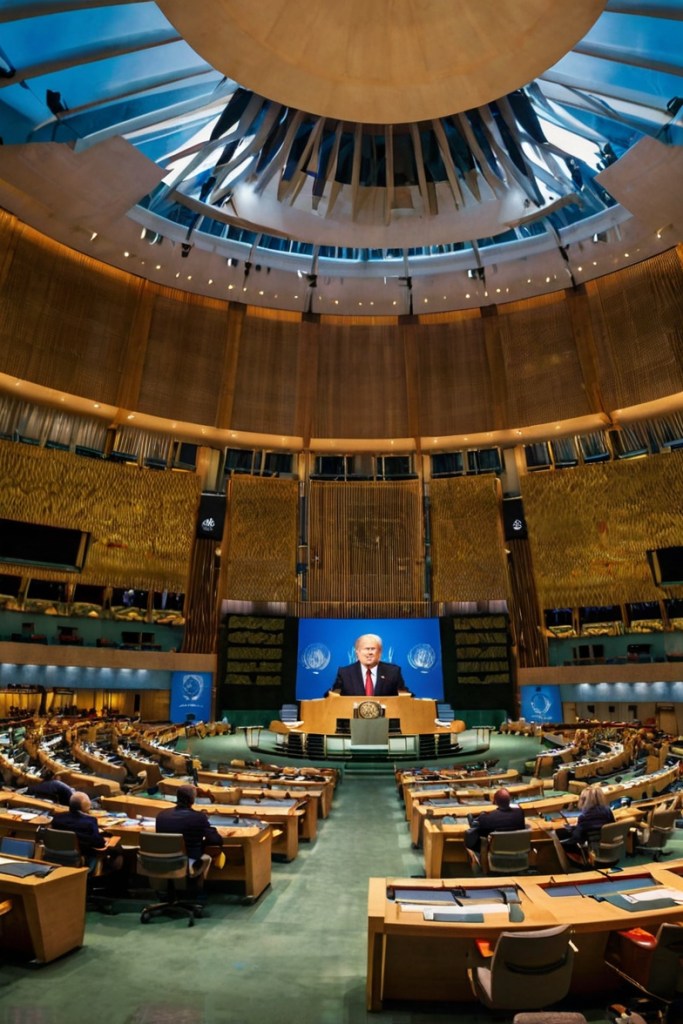
Russia invited the major oil-producing countries for a summit to discuss the way forward. Their major concerns were about the impending ban on fossil fuels after the Net Zero deadline. All the nations agreed on one thing – climate change was not a hoax. It was an impending global disaster. However, they also felt that other countries had positioned themselves properly before pushing for the ban. They believed the ban was going to affect oil-dependent nations more than others, so they needed more time to develop systems and economic structures to cushion the shock from the energy transition and revenue loss.
Russia led the way, with Dmitri Glebov, the leader of Russia’s diplomatic mission to the UN, calling for an extension of the grace period. He outlined the steps each nation should take in the interim. It was clear that Russia was the leader of this group. They were informally called the Eastern bloc. In the other group, the China-US rivalry destabilised their negotiations. China couldn’t lead the group because the US was not ready to play second fiddle to any nation. They were still denying the fact that China had become the most powerful economic and military force globally. The US and Russia had signed the ‘START’ agreement that limited each side’s nuclear armoury; China was not part of that agreement so they took advantage of that to develop nuclear weapons without restraint. That freedom helped them to build the strongest military globally.
The next few years saw Russia and China meet more often than they had done in the previous 30 years. Thanks to their negotiations, the grace period was extended to give oil-producing nations more time to implement the prescribed Economic Restructuring Plan (ERP). The plan was recommended and partly funded by the IMF, with strict terms on what, how and when the funds could be used. The ERP sparked controversy with remarks of rigidity, neo-colonialism and economic control. The Algerian representative, Yousef Zefane, described the ERP as a ‘diplomatic dictatorship’. However, the years ran out, and like most other forms of support or aid from the West, it left these nations roughly in the same place they were by 2045 – five years from the deadline. Russia was the only nation from the group that was close to net-zero carbon emissions.
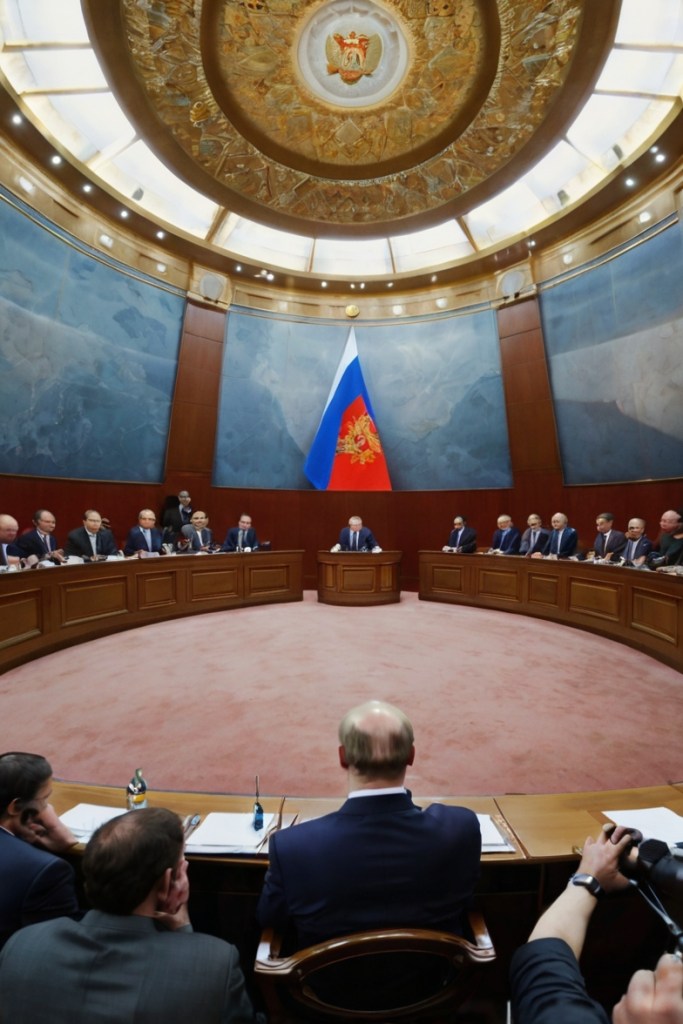
As the leader of the Eastern bloc, Russia called for a cancellation of the ban or an extension of the deadline. During a Press Conference, Glebov had accused the US and China of running several coal plants across the world while shutting them down within their borders, to claim they have met the Net Zero Carbon regulation.
“It makes no difference because climate change does not respect political boundaries. Whatever you do to damage the earth outside your country would still affect you in your haven.” He claimed it was hypocritical of the US and China to boldly stand with countries that had done the right thing when they were still part of the problem.
Under Russia’s leadership, the Eastern bloc grew in confidence. The next three years saw them boycott all climate change summits and UN Assemblies. The UN tried to address their concerns, but in the interim, the boycott brought another wave of sanctions and counter-sanctions. China was the first to make a move. Being the World’s largest net exporter, the trade sanctions affected them, with a significant drop in trade revenues. The US was not a trusted ally, so most of the Western nations had to address the problems alone.
By 2048, the Russia-China-US dispute had strained diplomatic relations between the countries. The tension cascaded into everything, including rivalry in sports. The UN General Assembly billed for September was the perfect place to address these issues. The rest of the world was looking forward to the possible clash of ideologies between Russia and China, while the US was trying to regain its place in the league of nations.
Somewhere on the agenda was a session with a quiet and intelligent African inventor. He claimed he had the solution to most of the challenges that stirred the problems between these nations. While leaders of the more established nations prepared their missives for the Summit, a certain Tariku Negasi was preparing to address the world with what he called a game-changing idea.
 The Time Tale
One Comment Add yours