Prologue
In the late 2040s, the digital world was a vast, interconnected web of systems and networks. The internet was integral to every aspect of life. The formation of the Union of Governments (UoG) had promised to bring order and stability to a world increasingly reliant on technology.
Yet, beneath this facade of control and security, a storm was brewing. The Invaders, a group of digital activists, had resurfaced, and with them came a new threat that would bring the world to its knees—the Dark Web Invasion.
The Catalyst
The initial trigger was a seemingly innocuous update to a popular global communication app. The update, downloaded by billions of devices worldwide, contained a hidden payload. This sophisticated piece of malware was designed to infiltrate and take control of critical infrastructure and connected devices.
The malware had been developed by a shadowy cabal within the dark web. The entire deal was funded by illicit trades and orchestrated by unseen hands. It was designed to set off a chain of reactions that would plunge the world into chaos.
The Outbreak

On the morning of June 15, 2048, the world woke up to a nightmare. Power grids failed, plunging cities into darkness. Financial systems crashed, erasing billions of dollars in an instant.
Communication networks were paralyzed, cutting off entire regions from the rest of the world. Hospitals lost access to critical data, endangering countless lives. It was an attack unlike any the world had ever seen, orchestrated with precision and executed with ruthless efficiency.
The Invaders, known for their high-profile attacks against corruption and injustice, were initially blamed for the catastrophe. But as the dust settled, it became clear that something far more sinister was at play. It was like the entire Dark Web had swallowed up the normal internet as we knew it. Cable TV found significance again as new stations became the only way to know what was happening globally. For 24 hours, they brought light to the world but didn’t uncover the mystery behind this.
The overarching narrative was that the Dark Web Invasion was orchestrated as an act of terrorism. The term cyber-terrorism was on every TV screen. This was not just an act of digital vandalism; it was a calculated strike against the fabric of modern society.
The Invaders’ Response
Amid the chaos, The Invaders mobilized. They understood the gravity of the situation and the need to restore order to debunk the accusations. The damage to their reputation kept Negasi awake. He reached out to the team and somehow got them to find a solution. We don’t fully know if they solved a problem or stopped a problem they had started. We just know they swung into action to save the world.
Basira took the lead, leveraging her deep knowledge of encryption and cybersecurity to develop a strategy to counter the attack. Her first task was to identify the source of the malware and trace it back to its origin.
Aamir al-Hakim, known for his mystic intelligence and unparalleled skills in AI and network systems, played a crucial role. His mind, a labyrinth of brilliance and trauma, saw patterns where others saw only chaos. He developed an AI algorithm capable of crawling through connected devices, detecting and neutralizing the malware.
The fact was that the malware only stopped connectivity between connected devices. The devices were still connected but they did not detect the connection and couldn’t communicate with other devices or servers.
Meanwhile, Lex deployed his expertise in hacking and web penetration to infiltrate the dark web. He navigated the treacherous waters of the darknet, gathering intelligence and identifying the key players behind the invasion. This was the narrative the world got. In truth, nobody knows if there were other people involved with this.
The Battle
The battle to reclaim the digital world was fought in the shadows, an invisible war waged by lines of code and packets of data. Basira’s encryption algorithms fortified critical systems, creating secure enclaves where the malware could not penetrate. Aamir’s AI antidote spread through networks like a digital immune system, isolating and eradicating the malicious code.
Lex’s infiltration of the dark web uncovered the command center of the operation—a hidden server farm in a remote part of Eastern Europe. Coordinating with international law enforcement, The Invaders orchestrated a raid on the facility, capturing key operatives and seizing the infrastructure used to launch the attack.
Despite their efforts, the damage was irreversible. Major cities remained in darkness, financial systems were crippled, and communication networks were only partially restored. The economic impact was catastrophic. Stock markets crashed, with the world’s leading tech companies suffering unprecedented losses. Corporate empires built on digital foundations crumbled overnight, leaving millions unemployed and the global economy in turmoil.
The Aftermath

As the world struggled to recover, suspicions began to arise. Whispers of conspiracy theories spread like wildfire. Some claimed that The Invaders had orchestrated the entire attack to gain information and present themselves as saviors. Critics pointed to the timing of their intervention and the precise nature of their countermeasures as evidence of premeditation. The media was rife with speculation, and public trust in The Invaders waned.
On the other hand, it set the stage for political drama between the world’s leading nations. Threats of war and counter-threats filtered through traditional media. Nations were showcasing their military strength to ward off potential adversaries.
Political Intrigue
The political landscape was equally tumultuous. The United States, Russia, and China, the world’s superpowers, were quick to blame each other for the catastrophe. Accusations flew back and forth, each country alleging that the others were behind the dark web cabal. Diplomatic relations deteriorated, and the threat of war loomed large.

The United States accused Russia of orchestrating the attack to destabilize the UoG and regain its influence over global affairs. The U.S. government cited intelligence reports suggesting the involvement of Russian hackers’ and demanded international sanctions.
Russia, in turn, denied any involvement and accused the U.S. of using the crisis to consolidate power within the Union of Governments (UoG). Russian officials pointed to the swift and coordinated response of The Invaders, suggesting that the U.S. had secretly backed the group to undermine its rivals.
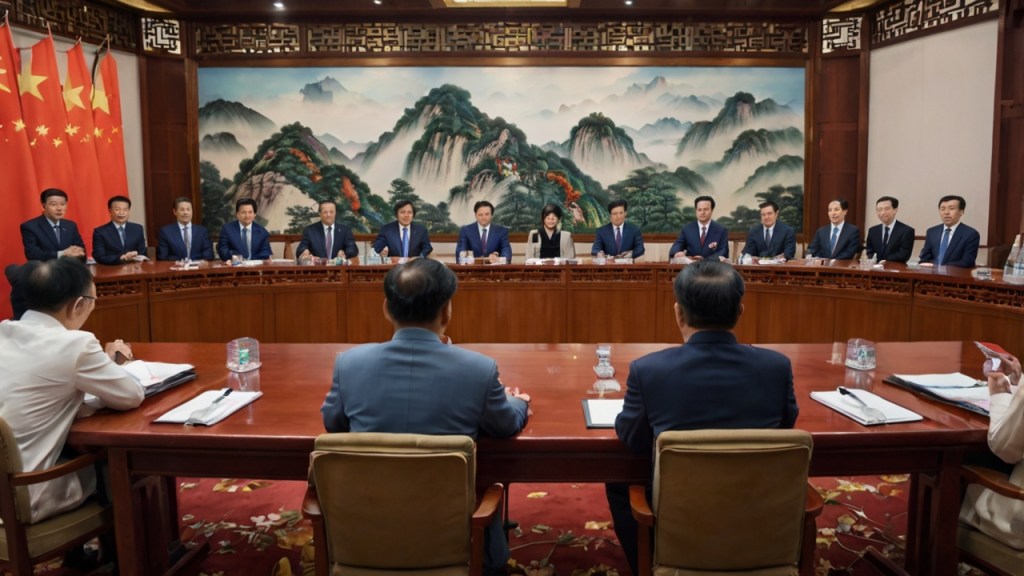
China, caught in the crossfire, blamed both the U.S. and Russia. Chinese leaders argued that the true culprits were rogue elements within the dark web. They were possibly funded by multinational corporations seeking to profit from the chaos. China’s economy, heavily reliant on digital infrastructure, was hit hard, and the government faced internal pressure to find those responsible.
Economic Fallout

The economic fallout was severe. Tech giants like OmniTech, DigiCorp, and NeoNetworks saw their stock prices plummet. OmniTech, once the world’s largest tech company, declared bankruptcy, sending shockwaves through the market. DigiCorp and NeoNetworks, facing similar crises, laid off thousands of employees. They shut down operations in multiple countries in less than 24 hours!
Small businesses, reliant on digital transactions and online presence, faced ruin. The ripple effect extended to every sector of the economy, from manufacturing to healthcare. The financial system, already fragile from years of speculative investments and deregulation, teetered on the brink of collapse.
Religious Interpretations
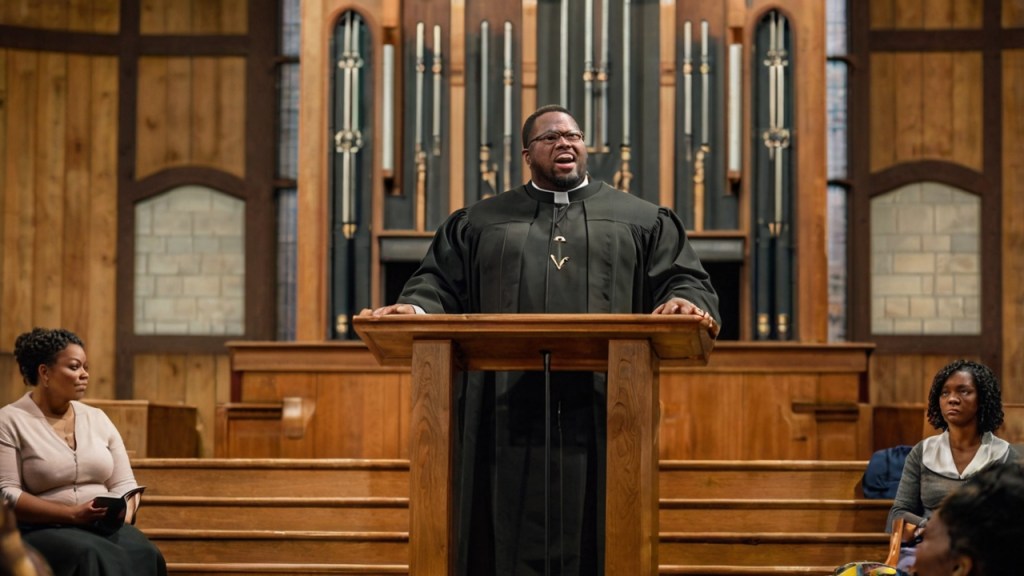
As the chaos unfolded, religious leaders across the globe offered their own interpretations of the events. In Nigeria, Joshua Aremu of the New Life Assembly proclaimed that the Dark Web Invasion was a sign of the Antichrist.
He told the church that the collapse of global systems and the ensuing chaos were foretold in the scriptures. They were signs of the end times. He called out people he suspected as though he was certain they were behind it. The Invaders were at the centre of his claims. He leveled various accusations against them, short of calling them the Anti-Christ. His sermons, broadcast widely through cable TV channels and pirate radio, struck a chord with millions desperately seeking answers.
Pastor Aremu’s remarks added a new layer of fear and uncertainty to the already dire situation. His followers saw the Invaders not as saviors but as agents of a larger, more sinister plot. The narrative of the Antichrist taking over through digital means spread rapidly, creating a wave of panic and mistrust.
A World in Doubt
In the aftermath, the world was left in doubt. The Invaders, once hailed as heroes, were now viewed with suspicion and fear. Their role in the Dark Web Invasion remained a topic of heated debate. Some believed they were genuine saviors, while others were convinced they were the architects of the disaster.
The Union of Governments (UoG), its authority undermined, faced a crisis of legitimacy. The promise of stability and security had been shattered, and the global populace demanded answers. The UoG launched an extensive investigation into the invasion, but the truth remained elusive.
 The Time Tale
One Comment Add yours