“You and your whole generation believe the way it was for you is the way it has to be. Not until your entire generation has laid down and died will the dead weight of you be off our backs.” My father showed me that monologue when I was 16. He said it was important. “You need to understand where we came from,” he insisted, his voice carrying the weight of years.
He owns one of the most successful antique shops in this part of the world. Growing up, I spent hours there, surrounded by the smell of aged wood and faded leather, the dim light catching the intricate curves of brass candlesticks and terracotta figurines. He told me that each piece held a story that helped to preserve the history of humanity. These old pieces brought new life to his bones, just as his stories gave them meaning that transcended the artwork itself. I sometimes watched him trace the lines of an object with his fingers, a quiet reverence in his touch, as if he were communing with the ghosts of its past owners.
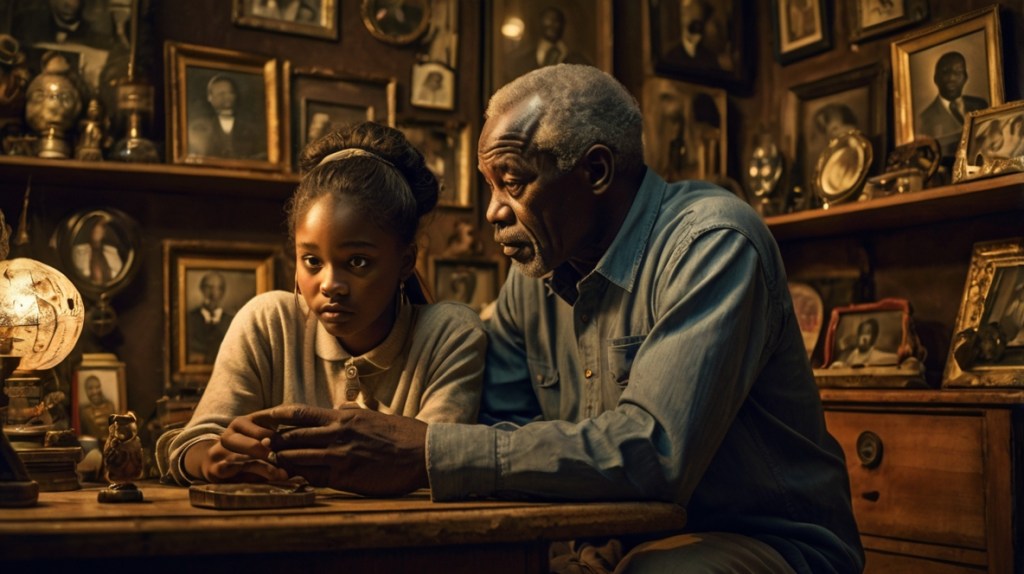
As I grew older, I found that the weight of meaning hung in the air, but only within the shop. The objects, once treasures, now seemed like burdens. My father isn’t just selling antiques; he’s becoming one.
“You kids don’t even know what you’re looking at anymore,” he said one evening, his fingers brushing over the worn edges of an old compass. “There was a time when these things were all we had, so we used art to curate stories, history, identity, cultures, values, and more. Now, we’ve left them behind and moved on as if they don’t mean anything to us. You lot are stripping yourselves of the things that make you unique and all trying to look, speak and be the same. Not only have you forgotten the power of art in these objects, but you’re losing the stories that define our journey.”
I could hear the pain in his voice. It was as though he had given up on trying to make us see the significance of the journey. The compass—its brass dulled with age but still functional—seemed to symbolize more than direction. It was a relic of his world, where meaning wasn’t just abstract; it was tangible.
He raised me with the belief that art without meaning is decoration. “Your generation,” he’d say, “is obsessed with surface-level beauty. You want things to look good, but you don’t ask why.” I understood where he was coming from. His world was one where art carried the weight of survival, where even the simplest photograph had to fight for something. Innocent pictures bore the burden of cultural debate, and every piece had to reveal some grand insight into life.
My father’s generation clung to the idea that every piece of art had to reflect this existential crisis. It had to tell a story that meant something deeper than just the appreciation of beauty. Art was an ode to something of cultural significance—sometimes a way to romanticize our crude past and our suffering.
Innocent pictures bore the burden of cultural debate, and every piece had to reveal some grand insight into life.
– Leyira Oden
But his world is not my world.
“We live forward, Papa,” I said in a warm but resolute tone. He didn’t even look up. He had spiraled into thoughts that couldn’t find their way out; thoughts weighed down by a world that no longer valued the depth of meaning he so desperately wanted to share.
For once, I could see through the man. I saw someone grappling with the idea that the things he cherished and built his life around were becoming obsolete. It wasn’t just the objects and his ideas—he himself was becoming part of the shop: valuable, but frozen in time. I remember him once gazing at an old gramophone, its horn shining faintly under the dim shop lights. “This used to bring families together,” he murmured. “Now it’s just a showpiece.”
When I told him I wanted to be an artist, his reaction was a mix of pride and concern. “Then be one worth remembering,” he said. “Create something that matters.” His words stayed with me, even as I pushed against them. I didn’t want my art to bear the weight of history; I wanted it to breathe, to exist for its own sake.
Still, his voice lingered in my mind as I worked on My Family, The Antique. It was my way of bridging our worlds. The idea came to me while flipping through an old book in his shop, its yellowed pages whispering stories of juxtaposition—how materials from different eras could coexist in one piece.
He wasn’t my only critic. My aunt was always on his side. I always felt he had a great influence on his siblings, as the first and most successful. Sometimes, they just accepted his point of view because culturally it was wrong to argue with someone older. She was quick to dismiss my work as frivolous and empty.
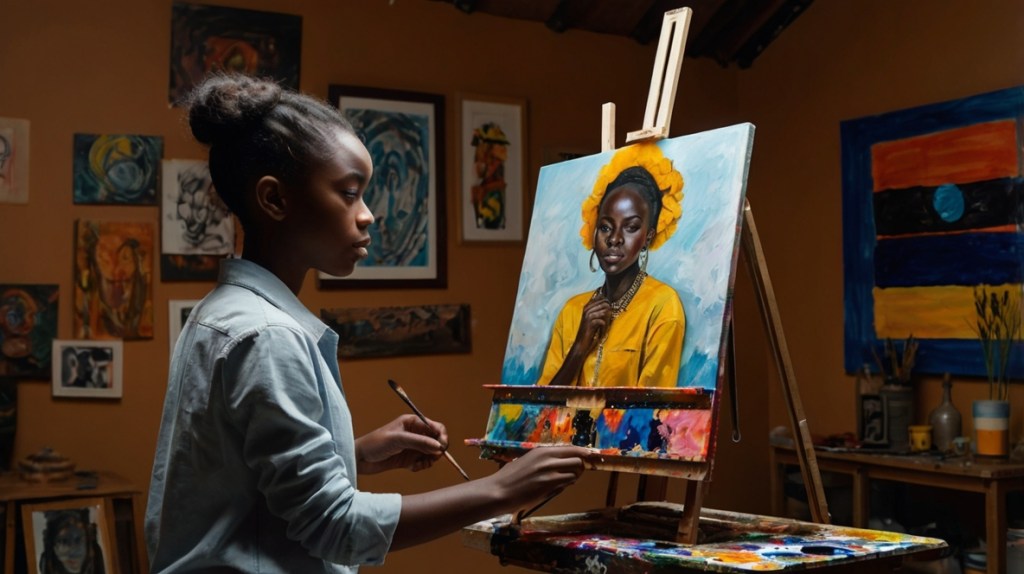
“Artists are not idle children,” she’d say. “A woman in a photograph had to represent the fight against forced motherhood or the power we have as women. Men in pink had to mean something. Animals were calls to action, and even colours were political.” It must’ve been exhausting. On the other hand, my Father keeps asking me what I am trying to say with each piece of art. I keep telling him that’s not the kind of artist I want to be.
But slowly, the tide of meaning had started to sweep me away. My last piece was going to be a message to me and to them. I poured myself into the work, layering digital techniques with fragments of the past. I recreated my father’s shop in vivid detail. Each artefact glowed with a golden light. I placed him in the centre as a vital and fading figure, caught between worlds.
When I unveiled the piece, his reaction stunned me. He stared at it for a long time, his hands trembling. My aunt, who had always dismissed my work, grew quiet. “You captured us,” she whispered. For the first time, they saw themselves not as warriors of the past but as relics, their struggles etched into history. I had slowly accepted a part of their ideology. My art carried them literally and figuratively. It meant more to me because it was not just the image but all their ideologies embedded in it.
As I watched them, I realized how much they were holding on to a world that no longer existed. They weren’t just afraid of change; they were afraid of being left behind. It reminded me of the gramophone—still beautiful but no longer alive with music.
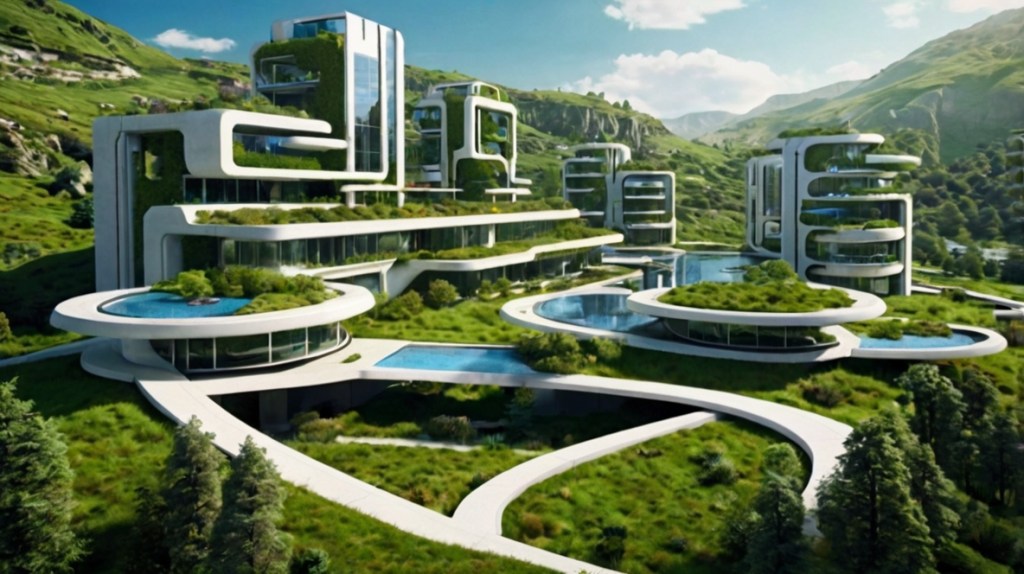
Then came the call from the Development team. They had seen my work and wanted me to be their first resident artist. They believed artists on Dev were more interested in just aesthetics. They were losing the very things that made art priceless—a deeper meaning. Just like my Father, I was invited to be a bridge between the old art and a new world. An antique in a modern world that needed to romanticize my work for the memories and stories it held. For me, it was everything I’d dreamed of—an opportunity to create in a world free of Earth’s constraints. My excitement didn’t last long. My father’s response was anything but celebratory.
“Development is death,” he said, gripping an antique clock as if it were the only thing keeping him grounded. “You think you’re building a future, but you’re erasing everything that came before.” His words stung, but I didn’t argue. How could I explain that his generation’s sacrifices had paved the way for this?
That night, I stayed in the shop long after he’d gone home. The artifacts around me felt different—less like relics and more like memories, each one a testament to the lives that shaped our world. I understood then that my father wasn’t just afraid of losing the past; he was afraid of losing himself.
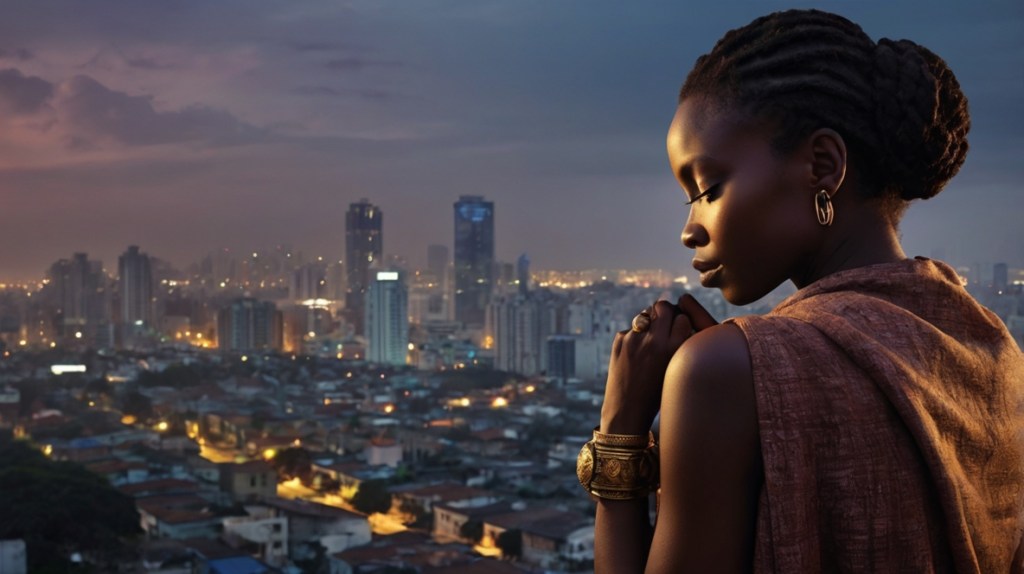
As I prepare to join Development, I carry his lessons with me. He taught me to see the world through the lens of history, to value the stories that came before. But I won’t let them define me. My art doesn’t need to scream at the world; it can simply exist, a bridge between what was and what will be.
My father still can’t understand why I accepted it. He doesn’t see that I get to create art that still has some meaning. I’m making art in a world where meaning is being redefined. I’m an artist, telling the story of life, not necessarily the one creating the story. This new life must be documented too. We don’t live as artists to recreate the past. We learn from it and curate today’s stories so tomorrow’s people can also learn about our time. I’m living the future they once fought for. And while I appreciate the past, I refuse to be trapped in it—Not me, not my art!
 The Time Tale