Today is the first time I’m opening up about my sadness. Everyone thinks I’m happy and fulfilled. I was honoured as a key staff member at MaDe just a few months ago. Now I’m getting death threats from the same people because I want to tell the truth. When people celebrate you, remember that the euphoria doesn’t last. The world moves on quickly—I learned that the hard way. I’ve been battling my conscience for so long that I became numb.

My name is Daniel Fraser. I’m American, and until a few days ago, I was Head of Engineering at MaDe. I was also a member of The Invaders. I’ll tell you about that later. Today, I just want to share this and, hopefully, save some people from what they think is the future.
I started at MaDe as an intern in 2017. Back at the “Den,” they called us the Special Ones. We were handpicked by the genius himself, Negasi. I’ve worked with him for over 15 years, but I’ve never interacted with him for more than 10 minutes. Anyone who lives like that has a lot to hide—and that’s Negasi’s story.
We worked on many projects, and I’ll admit, the man is a genius. He has a unique drive. Together, we created solutions that made the world better. But this last idea goes against my moral values, and I can’t be part of it.
In case you haven’t heard, I’m talking about Development—Negasi’s new world order. Let me explain.
Development is a world where human consciousness lives in digital avatars. Imagine it like this: the human being is not this physical body. The human is a consciousness existing in the physical body to experience our world.

At MaDe, we initiated “Detachment.” It’s like inducing a coma to lure the consciousness out of the body. We separate the consciousness and give it a new digital form to experience a different, fully digital world. The idea was that a digital world would be free from corruption—no ageing, no death, no sickness, or wars. We imagined the creativity of the human mind, unrestricted, in a limitless digital world.
The idea of Dev sounds great. But in reality, everyone in Dev is non compos mentis—they’re not in their right minds. We haven’t studied its effects long enough to know if it’s safe. Plus, there are massive privacy concerns. We tweaked and experimented a lot to control human emotions and natural instincts before uploading consciousness. These entities on Dev are semi-human at best. We can’t call them human if their emotions are controlled by someone who plays God. No one talks about that.
As is the case with most things, good inventions soon become tools in the hands of people with evil intentions. Negasi is one of them. I believe he is evil, and he has deceived the world. That image of a young, ambitious, and selfless scientist must end today. I know things he doesn’t want the public to know.
Did you know Negasi is the only one with access to the backdoor of Dev? We all think people who’ve gone to Dev enjoy it so much they don’t want to return. But he has taken that choice away during the detachment process. It’s more than mind control—it’s a system that suppresses human desires. We only see what the system allows us to see. He controls everything in Dev.

I must also apologize for my part in this. Dev is promoted as paradise, a place for humans to reach perfection. But in truth, it’s a place where the only option is happiness. We can’t tell how this forced emotion will affect consciousness. When we created MaDe, it took years of research to control emotions, aiming to rid the world of hatred and greed. But Negasi used that research to change far more than we agreed on. We didn’t want a place where everyone is happy because they had no choice—we wanted people to find true happiness through their experiences.
I challenge Negasi to answer these concerns. I know his media team will find ways to argue until the world moves on, but I ask you all to take a moment and ask these questions. I’ve had my fair share of trouble with the system, and I don’t know what else to do. I’m sharing this to protect others in case they silence me. This story might save a life or two. Share it with your loved ones. Dev is not paradise. It’s a beautiful, digital world of happy zombies.
Negasi’s Reaction and Basira’s Response (June 2077)
Negasi watched Daniel’s interview without emotion. It was always hard to tell what he was thinking. He played it a second time, then switched off the monitor. Standing at the head of the table, he spoke softly.
“I know the weight of what we’re trying to achieve. It’s not easy to carry the responsibility of humanity. If anyone wants to leave, I understand; now is the perfect time.” Nobody moved. I had doubts, but I’d known this man for so long. Now wasn’t the time to doubt his intentions. We’d talked about these things in small groups. I remember Daniel’s first concern. He asked why we didn’t allow people to return to earth. I don’t blame him. He grew up in America, isolated from the harsh realities of life. If he had seen the strikes in Gardez or Kandahar, he would understand that humans need a guiding will to lead them towards the greater good. Americans don’t understand this when they’re not the ones in charge. That’s when they talk about democracy—a system that has failed us. When you have a good leader, you should keep him and let him lead.

Basira jumped into action. She spun a strong narrative as a decoy, rather than denying the claims. Her first rant on Dev raised more questions.
“Some of us grew up in Uganda, Kenya, Ghana, etc, where Americans decided how our countries should be ruled. Ironically, I heard they struggled with their own democracy. During the Trump years, when he lost an election, things got out of hand. People stormed a famous building to wrestle power from the new leaders. No one called them terrorists for ‘fighting for their land.’ But we’re called terrorists when we don’t want them dictating how we should live. If Negasi were white, would he get the same criticism? This is the inequality that Dev is trying to fight, but Daniel is too privileged to see it.
He’s uncomfortable with Negasi’s methods, even though they don’t involve airstrikes that kill children or puppet leaders who enable exploitation. Dev brings peace and bliss to humanity, yet some still want to pick it apart. Sometimes, you just need to support the one person with a workable plan. Right now, that person is Tariku Negasi, and that plan is Dev.”
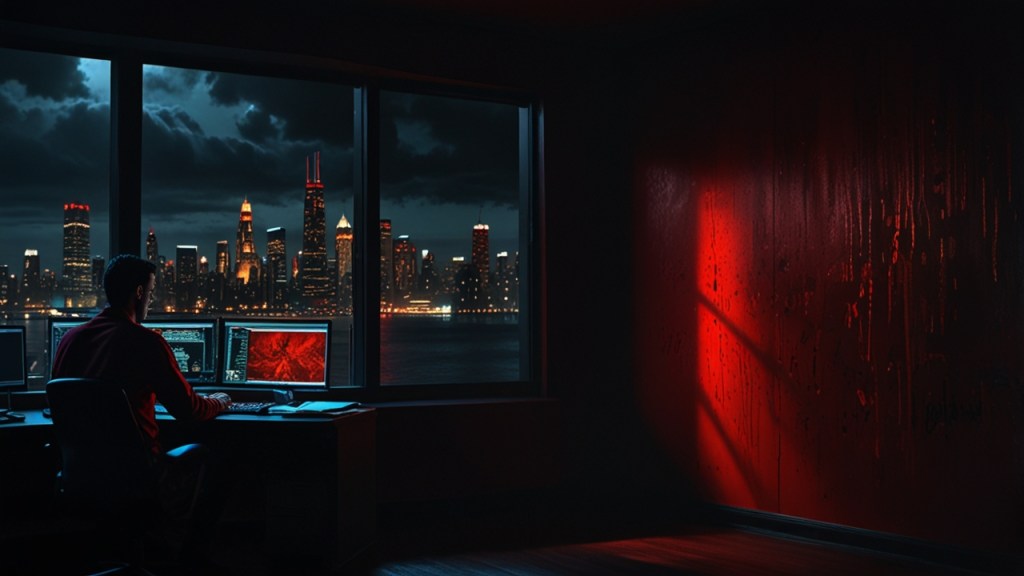
In the end, the debate over Dev and Tariku Negasi’s vision remains unresolved. Daniel Fraser accused Negasi of control, manipulation, and the suppression of human emotions. He painted Dev as a digital paradise masking a dystopia of mindless happiness. He warned against blindly embracing a future where freedom is sacrificed for the illusion of peace. On the other hand, Basira pointed out that humanity’s imperfections require a guiding force in a corrupt and chaotic world. For her, Dev offers salvation—a carefully crafted utopia that transcends the flaws of the physical world.
With both sides making compelling arguments, the question lingers. Is Dev a breakthrough for human evolution, or a beautiful trap to ensnare consciousness? The truth lies in the hands of one man – the man, the myth, the legend – Tariku Negasi.
 The Time Tale